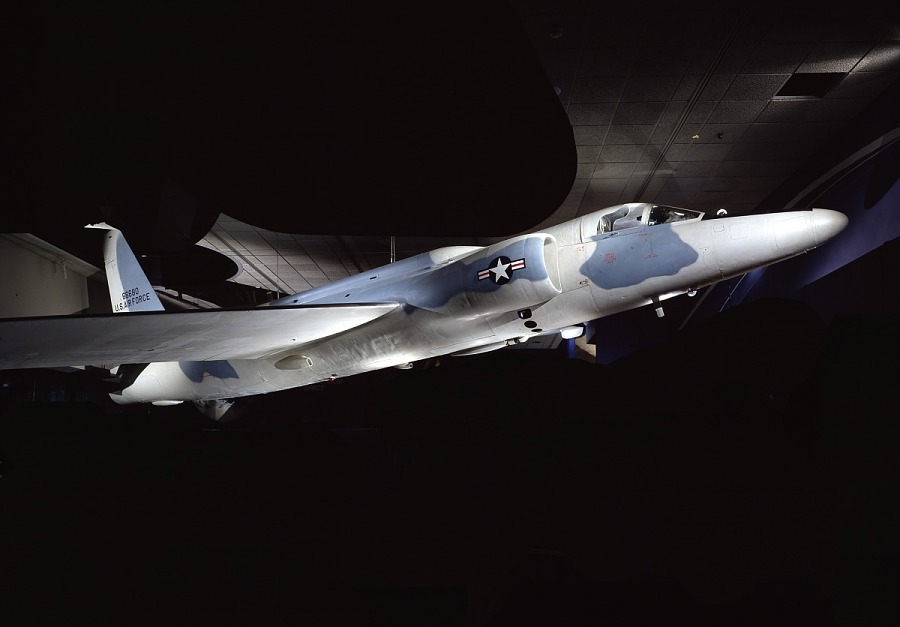
In the modern world, where technology often intersects with art and history, digital exhibits offer a fascinating new way to engage with and understand complex subjects. One such exhibit, hosted by the Smithsonian National Air and Space Museum, delves into the digital art history of military reconnaissance. This exhibit uniquely bridges the gap between military history, technology, and visual culture, offering a digital platform that invites users to explore how art and surveillance have evolved together, especially through military applications.
Digital art has long played a pivotal role in military reconnaissance, often serving as both a practical tool and a form of visual documentation. The exhibit explores this dual nature, displaying how aerial imagery and satellite surveillance have influenced military strategies, global politics, and even the development of artistic styles. The visual representations of reconnaissance missions, whether through traditional photography or digital media, capture not just the terrain but also the human element of warfare, highlighting the profound impact of these technologies on both soldiers and civilians.
By incorporating digital art into the storytelling process, the exhibit provides an immersive experience that brings historical events to life. Digital tools allow for greater detail and accessibility than traditional exhibitions, presenting a broader spectrum of visual materials and interpretations than would be possible in a physical gallery setting.
The Smithsonian’s exhibit is built on a foundation of well-researched sources, ensuring its historical accuracy and credibility. The project uses a mix of both primary and secondary sources and most of the sources come directly from US Army and Air Force aviation programs. The digital exhibit pulls from a vast collection, with sources ranging from military photography to satellite imagery, as well as artistic depictions of reconnaissance missions. Since the Smithsonian is a highly reputable institution, their sources are high-quality and come from subject matter experts in their respective fields.
However, one key challenge with such digital platforms is the potential for interpretation. The line between artistic representation and historical documentation can sometimes blur, making it essential for viewers to critically assess the content presented. For instance, the project mostly views aviation through a white male lens, so the focus and perspective come from a more narrowed view. While digital art offers new perspectives on history, it is vital to recognize the difference between artistic interpretation and the factual data that forms the backbone of military reconnaissance.
The design and user interface of the exhibit play a critical role in how viewers engage with its content. In this case, the digital platform includes interactive elements that are easy to use, allowing visitors to zoom in on images, explore 3D reconstructions, or access additional context through embedded multimedia. For a digital art history exhibit focused on military reconnaissance, the interface strikes a balance between complexity and accessibility. It caters to both casual visitors who may have little background in military history and more seasoned researchers who want to delve into deeper layers of analysis. The interactive maps, time-lapse sequences, and high-resolution images of reconnaissance missions offer an immersive experience that allows viewers to engage with the content in a more personal and meaningful way. The aerial shots of the beaches of Normandy on D-Day illustrate this phenomenally.
The role of digital exhibits in public history is profound. Public history seeks to engage the public with historical narratives and bring history out of academic spaces and into everyday life. The military reconnaissance exhibit does this by making complex, technical subjects accessible and engaging to a wide audience. Whether someone is interested in the military, technology, or art, the exhibit offers something for everyone, while also encouraging deeper exploration of the ethical, political, and social implications of military surveillance.
Digital platforms make history more accessible to the masses, breaking down the barriers of location and physical accessibility. With this exhibit from the Smithsonian, anyone with an internet connection can engage with the rich history of military reconnaissance, exploring its evolution and impact on contemporary conflicts. The interactive nature of the exhibit also allows for a more personalized learning experience, helping users to connect with history in ways that are meaningful to them.
Moreover, this digital art history exhibit can serve as an educational tool for students, scholars, and military professionals who wish to understand the intersection of art, technology, and warfare. It creates a space where historical events are not just presented as facts but explored in visual and interactive formats, encouraging critical thinking and a deeper appreciation for the complexities of military reconnaissance.
The Smithsonian’s digital exhibit on military reconnaissance art history is a stunning example of how digital platforms are revolutionizing the way we engage with history. By blending military history, technology, and digital art, the exhibit offers an engaging and educational experience that appeals to a broad audience. The use of credible sources ensures historical accuracy, while the innovative design and interactive elements make the exhibit both accessible and engaging. Ultimately, this exhibit plays an essential role in public history, offering a unique lens through which we can understand the past and its ongoing impact on the present.
Link to project: https://airandspace.si.edu/explore/stories/military-reconnaissance
Lockheed Martin U-2C, an early reconnaissance aircraft.